Valorant Calm Aim Guide With Rawzu
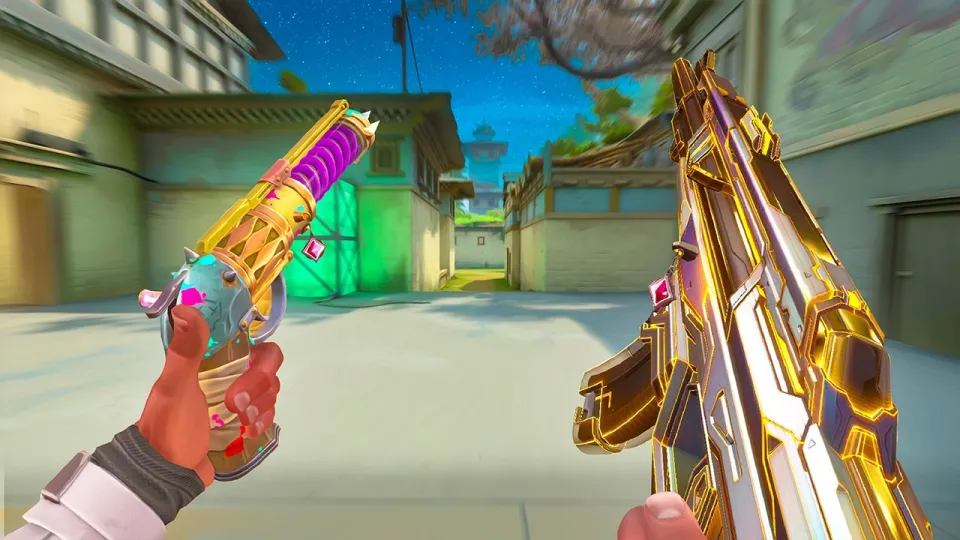
Video: low cortisol aim..
Need articles like this for your video? They help promote it on YouTube and Google — order them in the Telegram bot @sat_sit_bot. It writes articles around your video, embeds the video and publishes them on popular niche websites (no ads). Free trial — 50 articles.
· based on the channel Rawzu
Key takeaways
- Rawzu plays Valorant at 400 DPI with 0.625 in-game sensitivity, a 1440x1080 stretched resolution and crosshair code 1-6-2-2.
- His gear: Logitech G Pro X Superlight 2 mouse, Artisan Zero Soft mousepad and a Zowie XL2566K 360Hz monitor.
- The "low cortisol aim" label describes slow, deliberate crosshair movement and pre-placed aim rather than fast flicking.
- Phoenix combines Curveball (flash), Blaze (vision-blocking wall), Hot Hands (molly) and Run it Back (respawn ultimate).
- The video is a Phoenix-focused montage with ASMR-style editing from the Rawzu channel, published in October 2026.
Valorant calm aim is a style built on slow, pre-placed crosshairs and controlled micro-adjustments instead of fast flicks, and Rawzu's "low cortisol aim" video is a clean showcase of it on Phoenix. The clip runs on a 400 DPI / 0.625 sensitivity setup with a 1440x1080 resolution and crosshair 1-6-2-2, and viewers who want the same frame stability can optimize their PC for Valorant with the Hone.gg tool before copying the rest of the config.
What "low cortisol aim" actually means in Valorant
Low cortisol aim is a joke term for aiming that looks relaxed rather than panicked: the crosshair sits where the enemy will appear, and the player makes small corrections instead of sweeping the mouse across the screen. In Valorant, where a Vandal or Phantom headshot ends a fight in one bullet, that pre-placement matters more than raw flick speed. Rawzu's clips lean on this idea — the camera rarely snaps wildly, and most kills come from a crosshair that was already at head height when the duel started.
The practical side is unglamorous. A calm aim routine usually means holding angles at head level, clearing corners in a fixed order, and resisting the urge to over-correct after a miss. Players who describe their own aim as "shaky" are usually fighting two things at once: a sensitivity that is too high for their hand speed and a crosshair that drifts during movement. Lowering one variable at a time is the standard fix.
Rawzu's Valorant settings and peripherals breakdown
Rawzu's Valorant config is deliberately low-sensitivity and stretched, a combination common among players who prefer tracking a head over flicking to it. The exact values from the video description:
- Sensitivity: 400 DPI with 0.625 in-game sensitivity — roughly 250 eDPI, which is on the lower end of the competitive range.
- Resolution: 1440x1080, a 4:3 stretched aspect ratio that widens enemy models on screen.
- Crosshair: 1-6-2-2 — a small, tight dot-style crosshair with minimal clutter.
- Mouse: Logitech G Pro X Superlight 2.
- Mousepad: Artisan Zero Soft, a control-leaning cloth pad.
- Monitor: Zowie XL2566K at 360Hz.
Low eDPI plus a control pad is a coherent package: the hand travels further for the same in-game turn, which smooths out accidental jitter, and the pad's friction helps stop the mouse precisely. A 360Hz panel does not make aim calmer, but it does shorten the delay between seeing a peek and reacting to it, which is why high-refresh monitors are standard in this bracket.
Why Phoenix suits a calm, aggressive playstyle
Phoenix is a duelist built for players who want to take fights on their own terms, and his kit rewards a player who has already decided where the crosshair should be. Curveball throws a flash that curves around corners, so it blinds enemies holding tight angles without exposing Phoenix's body first. Blaze creates a wall that blocks vision and damages anyone walking through it, letting him cross open ground on maps like Icebox or split a site in half.
Hot Hands is a molly that also heals Phoenix when he stands in it, which turns a lost trade into a reset. Run it Back, his ultimate, marks a spot and lets him respawn there after dying, so a duelist can entry with almost no risk as long as the marker is placed behind cover. The pattern across all four abilities is the same: Phoenix creates the fight, then wins it with a pre-aimed shot. That is the calm-aim thesis in agent form — the utility buys the time, the crosshair does the work.
Building a calm aim routine for Valorant
A calm aim routine is a short, repeatable set of drills that trains crosshair placement and stopping power rather than flick speed. Three steps cover most of it:
- Warm up in the Range with 100 bot kills at head level, strafing between shots so each kill ends with a full stop.
- Run one deathmatch with a rule: no shooting until the crosshair is on the head. Speed comes later; placement comes first.
- Review one clip of your own gameplay per session and count how many duels you lost because the crosshair was at body height or still moving.
Outside Valorant, low-sensitivity players often use tracking scenarios in Aim Lab or KovaaK's to build smoothness, then switch back to static-click scenarios for the one-tap timing that Valorant demands. The goal is not a higher score — it is a hand that moves the same way every time, which is exactly what makes Rawzu's movement look unhurried in the montage.
Common questions about the clip and the setup
Viewers of the video keep circling the same few points: the stretched resolution, the movement, and whether the settings alone can carry someone to a higher rank. Resolution and sensitivity are personal — 1440x1080 stretched makes targets wider but reduces horizontal field of view, so players who rely on wide-angle awareness often prefer native. Movement is the part that transfers: counter-strafing to a full stop before firing is a mechanical habit, not a hardware purchase.
The audio side of the clip also draws attention, since the edit leans into ASMR-style sound design and quiet moments between fights. That is a presentation choice from the Rawzu channel, not a gameplay setting, and it explains why the montage reads as calm even during multi-kill rounds. The honest takeaway is that the video is entertainment with a real config attached — useful as a reference point, not a shortcut.
Useful links from the video
- Optimize your PC for Valorant with Hone.gg — the tool promoted in the video for tuning a Windows setup for competitive play.
- Rawzu's original music on Spotify: https://open.spotify.com/artist/6DbATPR1PTNMx7U918bg1Q
- Rawzu's Discord community: https://discord.gg/axnFwyvxp3
Final takeaway
The "low cortisol aim" video works as a compact reference for anyone chasing a steadier Valorant crosshair: 400 DPI at 0.625 sensitivity, 1440x1080 stretched, crosshair 1-6-2-2, and a control-focused desk setup. Copying the numbers is the easy part; the calm comes from pre-aiming corners, stopping before shooting and letting Phoenix's utility start the fight. Rawzu's channel packages that style into short, quiet montages that are easy to study frame by frame. If you want the same baseline, start with the Hone.gg PC optimization link and then spend a week on placement drills before touching sensitivity again.
Source: low cortisol aim.. · Markdown version
Questions & answers
What sensitivity does Rawzu use in Valorant?
Rawzu plays at 400 DPI with 0.625 in-game sensitivity, which works out to about 250 eDPI. That is a low-sensitivity setup paired with a 1440x1080 stretched resolution and crosshair 1-6-2-2. It suits players who aim with the arm and prefer stability over fast flicks.
Is 1440x1080 stretched better than native resolution in Valorant?
A 4:3 stretched resolution like 1440x1080 makes enemy models wider on screen, which can help with spotting and hitting heads. The trade-off is a narrower horizontal field of view, so wide-angle awareness suffers. Many pros use it, but native remains a valid choice for players who hold wide angles.
Does calm aim actually improve your rank, or is it just editing?
Calm aim is a real mechanical habit: pre-placing the crosshair at head height, counter-strafing to a stop before firing and making small corrections instead of big flicks. Editing can make gameplay look smoother than it is, but crosshair placement shows up in results regardless of how a clip is cut. Practicing placement drills transfers to ranked matches.
Why does the video look so quiet and ASMR-like?
The Rawzu channel edits its montages with soft audio and minimal commentary, which is a stylistic choice rather than a gameplay setting. The quiet presentation is why the clip reads as relaxed even during multi-kill rounds. The gameplay itself still uses standard competitive settings and Phoenix's full utility kit.